American liberties, freedoms and rights are not to be confused. Their interrelations and differences have not always been understood, especially in the Ante-bellum South. Since the Civil War and the Thirteenth, Fourteenth and Fifteenth Amendments, Americans have used the Court to define actions and impose restrictions. However, today these guardians of the Constitution, the justices of the Supreme Court, are losing the game of this Republic, Nine to Zero.
Liberty is the general state a human being is in when standing on Earth, alone. It is an unmonitored state of existence where anyone can do whatever is pleasing. Liberty in the human mind means that everything in the imagination is 100 percent real. Move, talk, gesture – does anyone hear or see? It is liberty, and it is absolutely embedded in the hearts and minds of Americans. The government and other Americans usually don’t interfere with expressions of pure liberty. (see a short discussion in T.H. Breen, The Will of the People, (2019).
Freedoms originate in society, and impose restraints on liberty with rules: Freedom of Speech/ Press, Avoid libel, slander, incitement and privacy laws; Freedom of Religion, Limit extreme cult practices; Freedom of Assembly, No mob activity; Freedom to Petition the Government – No threats to life or property. Human beings claiming to exercise liberty have taken expansive views of freedoms, beyond restraints, laws and customs.
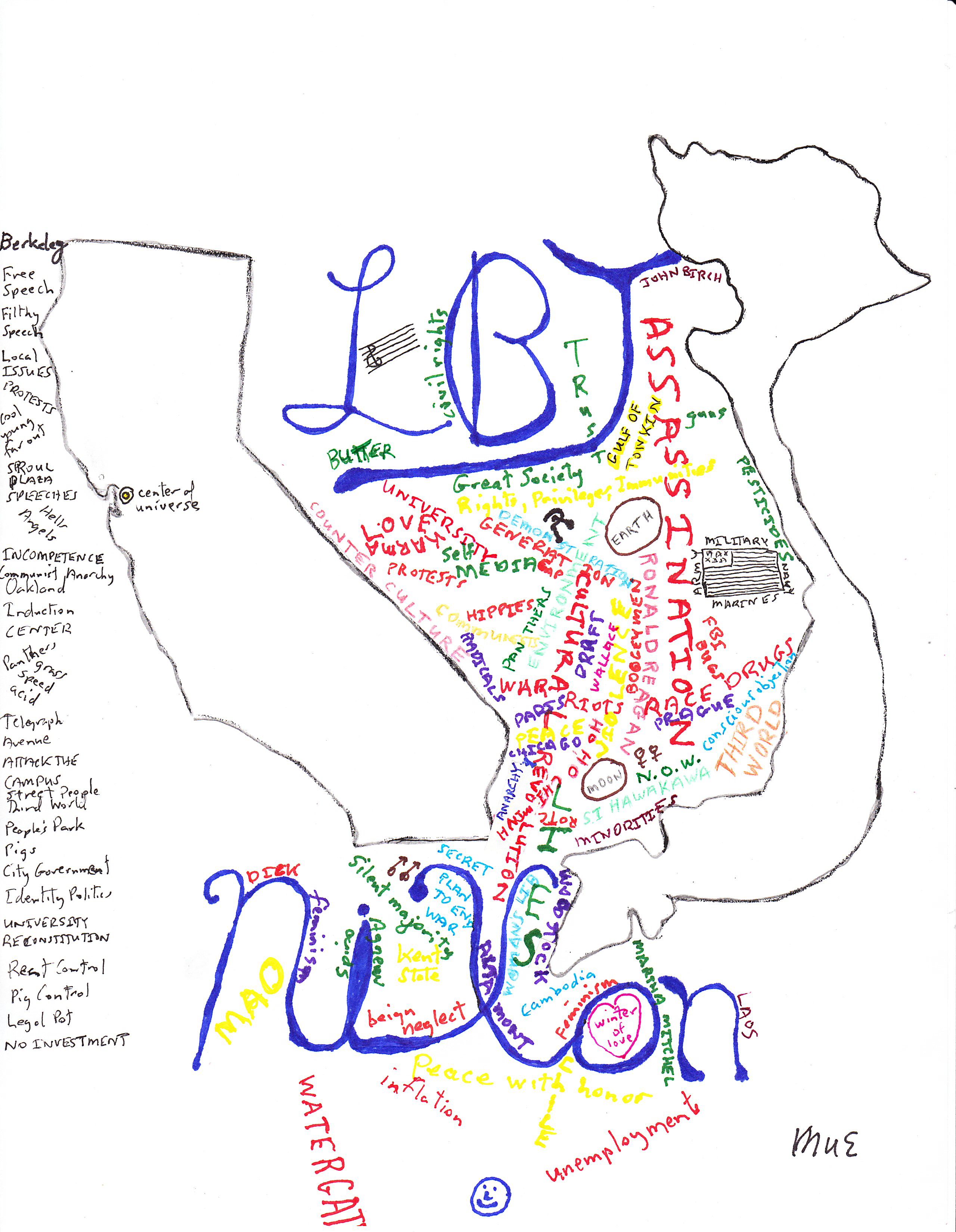
Americans have always had citizens ignoring limitations provided by freedoms. Individuals and groups moved into the Frontier to avoid the restraints. Within our lifetimes the “cultural” movements of the 1960s attacked and brought forward behaviors and challenges, changing what was tolerated and accepted. Some people were libertarians; other were libertines; individuals claimed the mantle of anarchy: “Do his own thing.” Left and Right movements today scream for freedoms, the protection of society. They say little about liberty. This is a moving area of law: To protect itself and the free society, restraints against liberty founded in freedoms are usually accepted, well known and frequently enforced.
During this Country’s founding, citizens knew such claims were wrong and perilous, full of “rebel spirits more dangerous and difficult to reduce.” One can not be licentious, “acting under sensual passions,” departures from civil norms. (See T.H. Breen, The Will of the People, last chapter.) Reason is necessary. Why? It is in the Constitution.
The Ninth Amendment reads, “The enumeration in the Constitution, of certain rights, shall not be construed to deny or disparage others retained by the people.” Rights cannot be founded on individual passions, emotions and urges. Rights need objective criteria. One unenumerated right widely recognized by Americans, is the right to privacy, a work in progress. Circumstances arise, some being emotional and personal, and others are founded on bedrock principles of society. Yet all Americans claim this right and some want it extended. This Country, assessing and considering facts daily in piecemeal fashion, arrives at what is permissible.
An issue of interpretation arises. What is a Right? Madison in his Report of 1800 observed “technical phrases” from the common law could be used to define current usage, especially for persons seeking original views or original meanings of the Constitution. A Right goes beyond a license. It was in that category of endowments akin to privileges and immunities. They have been in Western society since the Middle Ages. Monopolies were rights once given to certain entities or individuals: The East India Company of the Boston Tea Party was such a monopoly. Rights can be modified and changed, as circumstances change. In Great Britain the monarchy had that power. In the United States the people are sovereign and should use processes and procedures set forth in the Constitution., whether legislatively, by amendment and frequently by the courts.
Originally, a right gave liberty to act exclusively within a specific area of land or commerce. It is not a freedom, but it was specific to the person(s) identified with the right. Concepts of Rights have broadened since 1789, but Rights do not always produce identifiable behaviors and circumstances which society can withstand. Rights are identified in the Constitution: Right against Self-Incrimination. (Fifth Amendment); Right to Bear Arms, (It is not, Freedom to Bear Arms.) (Second Amendment), which may not be as expansive a right as is proposed today. Society might be able to restrict and limit activities associated with rights – which are not freedoms – more broadly.
An American problem today is talking through one another, using the same words with such force and certainty to assert “plain meanings” which conflict and contradict: “I have my rights!” “I have freedoms!” Many of those Americans are claiming liberties. It is widely accepted that words and terms do not have fixed meanings, yet words and terms are becoming toys, playthings to toss around to keep opponents off balance. They are losing their significance. The Courts, including the Supremes, must act and decide according to which facts before them give rise to Liberties, Freedoms or Rights.
 muymue